7 Signs Your Sewer Line Is Failing (Foothill Homeowner’s Guide)
Your sewer lateral — the pipe running from your house to the city main — is the most expensive pipe you never think about until it fails. In San Gabriel Valley foothill neighborhoods, where many homes were built between the 1920s and 1960s with clay, Orangeburg, or cast-iron laterals, sewer failures are a when-not-if proposition. Catching the early signs can be the difference between a $400 cleaning and a $15,000 replacement. Here’s what to watch for.
If these signs sound familiar, compare trenchless vs. traditional replacement — and read our cost comparison before you call.
1. Multiple Drains Backing Up at Once
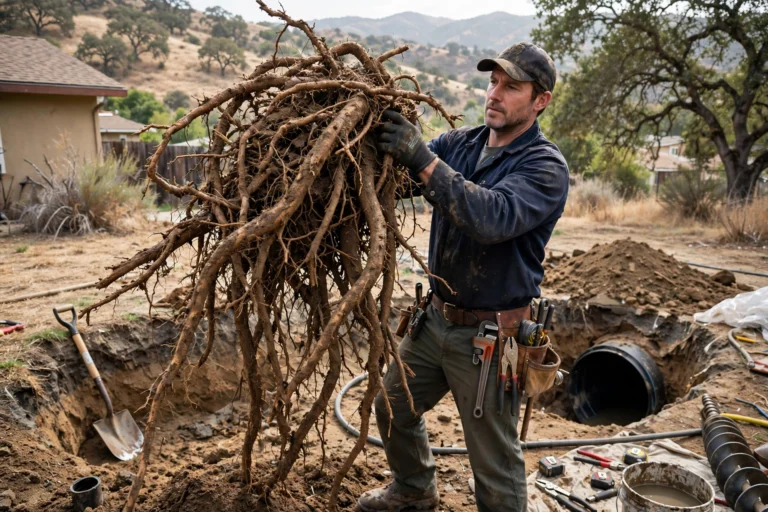
One slow sink is a fixture problem. The toilet gurgling when the washing machine drains, plus the tub backing up — that’s a main-line problem. When several fixtures on different floors misbehave simultaneously, the blockage or break is almost always in the lateral serving the whole house. This is the classic first symptom of root intrusion or a collapsed section, both common in mature foothill neighborhoods with old clay pipe.
2. Gurgling Sounds From Toilets and Drains
That “glug-glug” after a flush is air being forced through a partial blockage. Sewer lines need smooth flow; when roots, scale, or a bellied section restrict the pipe, air gets trapped and escapes through your fixtures. Occasional gurgling after heavy rain is one thing. Regular gurgling means it’s time for a camera inspection before it becomes a backup.
3. Sewage Smells Indoors or in the Yard
Sewer gas has a distinct rotten-egg odor, and your plumbing traps exist to block it. If you smell it inside, a trap may have dried out — or a cracked lateral may be venting gas through the foundation. Outside, a persistent sewage smell near a cleanout or a soggy patch of yard points to a break leaking into the soil. Neither is a wait-and-see situation.
4. Soggy, Sunken, or Suspiciously Green Patches in the Yard
A failing lateral leaks water into the surrounding soil, which shows up as a perpetually damp spot, a sunken area where soil washed into the pipe, or a stripe of grass that’s inexplicably greener and faster-growing than the rest (it’s being fertilized). On hillside foothill lots, leaking laterals can also contribute to soil movement — worth taking seriously.
5. Recurring Backups After “Just” a Cleaning
Had the line snaked six months ago and it’s backing up again? Snaking clears roots temporarily but doesn’t fix a cracked, offset, or bellied pipe — roots grow back through the same openings, often within a year. If you’re on a first-name basis with the drain cleaner, the pipe itself needs attention. This is where drain cleaning vs. hydro jetting stops being the question, and repair vs. replacement starts.
6. Foundation Cracks or Settlement Near the Line
A chronically leaking lateral saturates the soil under or beside the foundation. In expansive Southern California soils, that wet-dry cycling can crack slabs and shift footings. If a foundation crack appears in line with where your lateral runs — and especially if there’s a history of backups — get both a plumber with a camera and a foundation specialist looking at it.
7. Your Neighbors Are Replacing Theirs
This sounds like a joke, but it’s real data. Tracts and neighborhoods were built with the same pipe materials in the same era. When the 1950s clay laterals on your street start failing, yours is on the same clock. If two neighbors on your block have replaced their sewer lines in the last few years, schedule a camera inspection proactively. A $250–$400 inspection with video you can keep beats discovering the failure at 11 p.m. on a holiday weekend.
What to Do Monday Morning: Your Action Steps
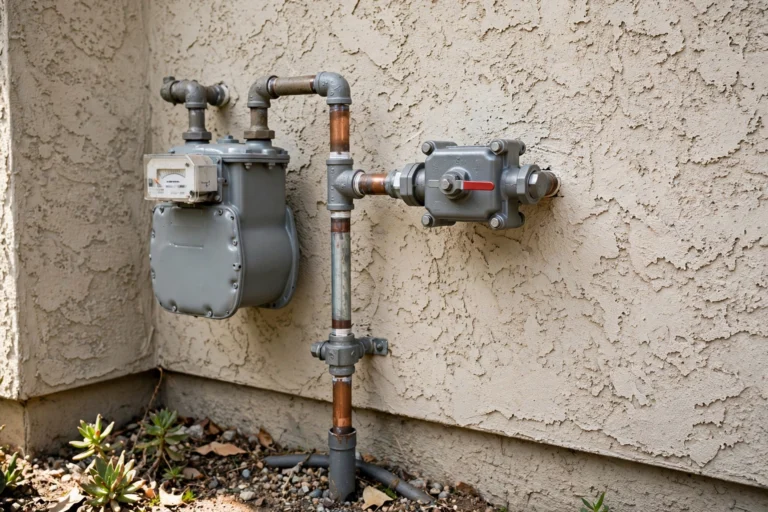
- Find your cleanout. It’s usually a capped pipe near the foundation or in the front yard. If you can’t find one, note that — installing a cleanout is step one of any serious diagnosis.
- Map your symptoms. Write down which fixtures are affected, when the problem started, and whether it’s getting worse. This is exactly what a plumber will ask.
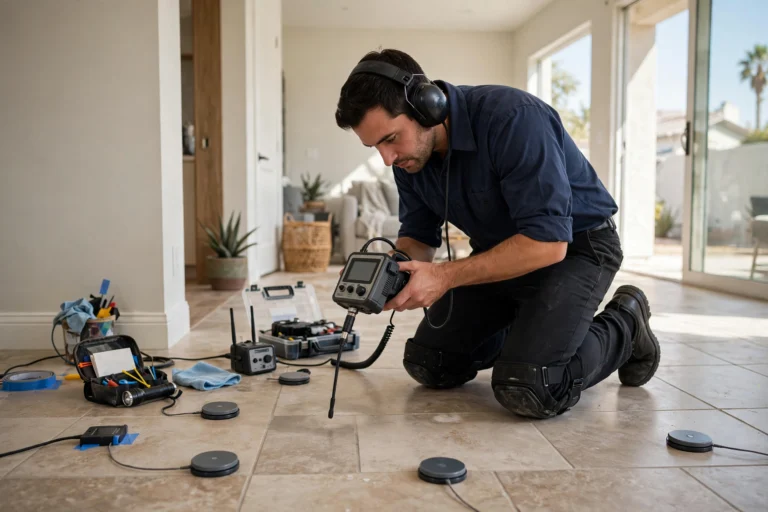
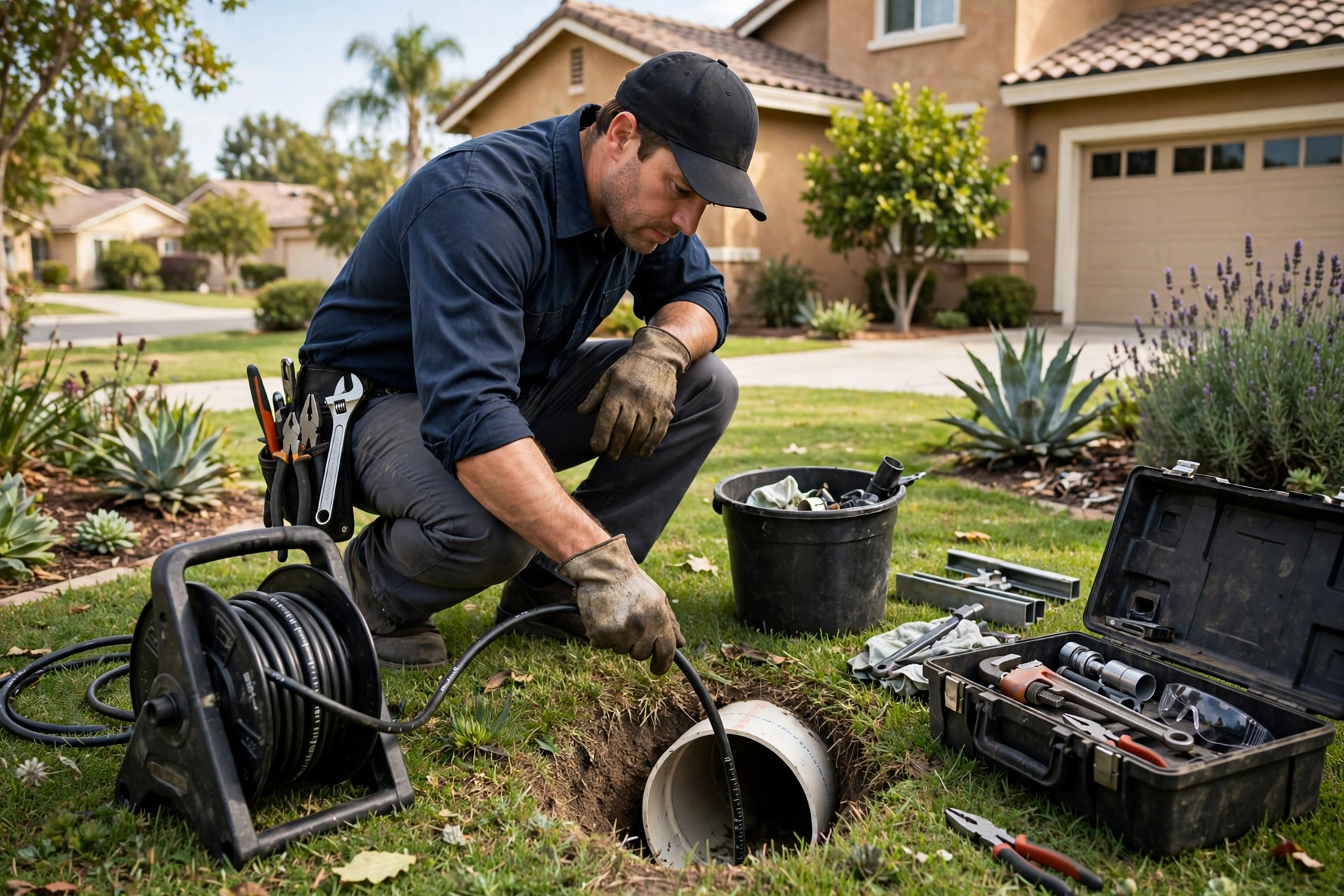
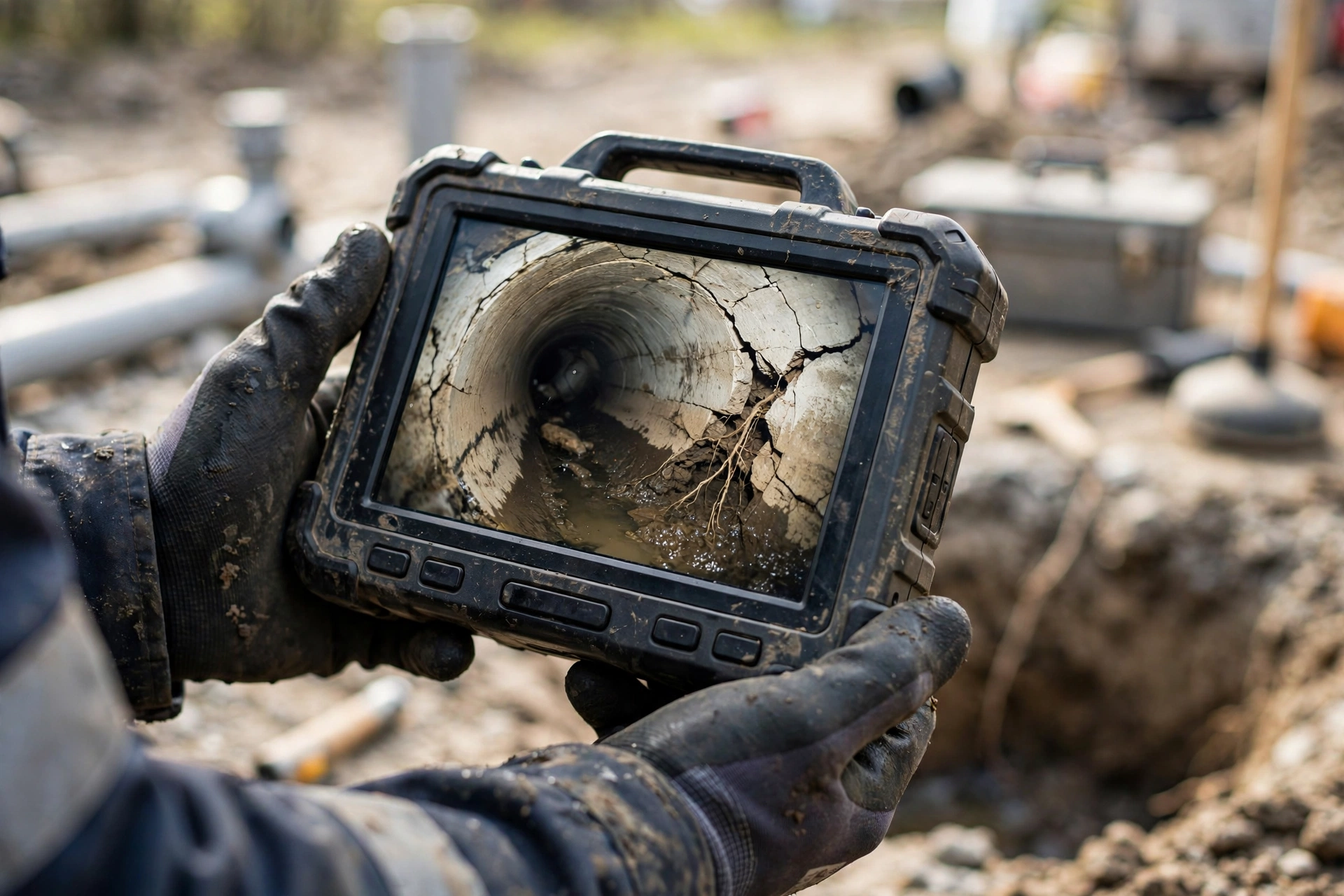
- Book a camera inspection. $250–$400 gets you video of the actual problem — not a guess. Keep the footage; you’ll need it for quotes and any insurance conversation.
- Get two quotes on the fix the camera justifies. A cleaning quote for a collapsed pipe is money thrown away. Match the fix to the footage.
What to Do If You Spot These Signs
Step one is always a camera inspection through an accessible cleanout — it shows exactly what’s wrong and where, so you’re paying for a diagnosis, not a guess. Depending on what the camera finds, the fix ranges from hydro jetting and root treatment to spot repair, trenchless sewer repair, or full sewer line replacement. For the cost comparison between trenchless and dig-and-replace, read our trenchless vs. traditional breakdown.
A sewer lateral is typically the homeowner’s responsibility all the way to the city main (or property line, depending on your city’s rules) — the city won’t fix your side. Plumbers in Altadena connects foothill homeowners with licensed C-36 contractors who do camera inspections daily across Altadena, Pasadena, and the surrounding cities. If anything on this list sounds familiar, call (888) 555-0199 and get eyes on the pipe before it gets worse.
How much does a sewer camera inspection cost?
Typically $250–$400 in the San Gabriel Valley, depending on access. If your home lacks an accessible cleanout, the plumber may need to pull a toilet or install a cleanout first, which adds cost.
Who is responsible for the sewer lateral — me or the city?
In almost all San Gabriel Valley cities, the homeowner owns and maintains the lateral from the house to the connection with the city main, including the portion under the sidewalk and street. The city is only responsible for the main line itself.
How long do clay sewer pipes last?
Clay (vitrified clay) laterals typically last 50–75 years. Many foothill homes built in the 1940s–60s are now at or past that mark, which is why failures are so common in these neighborhoods.
Can tree roots be permanently removed from a sewer line?
Mechanical cutting and chemical root treatments clear roots temporarily, but they grow back through the same cracks and joints. Permanent fixes are pipe repair or replacement — either traditional excavation or trenchless methods like pipe bursting or lining.
Will homeowners insurance cover a failed sewer line?
Usually not for wear and tear, root intrusion, or age-related failure. Some policies cover sudden accidental damage, and separate service-line coverage endorsements exist. Read your policy before you need it.
Need a Plumber Right Now?
Don’t wait for a small leak to become a big bill. Our licensed local plumbers answer 24/7 — nights, weekends, and holidays.
(888) 555-0199
Average emergency response under 60 minutes across the San Gabriel Valley