Earthquake Gas Shut-Off Valves: What California Homeowners Must Know
After a major earthquake, broken gas lines are one of the biggest secondary dangers — the fires that follow the shaking have historically caused as much destruction as the quake itself. An earthquake gas shut-off valve (seismic valve) automatically stops gas flow to your home when it senses severe shaking. California law has required them in certain situations for decades, yet most older San Gabriel Valley homes still don’t have one. Here’s what the valves do, what the law actually requires, and what installation involves.
Gas safety is no DIY zone — our licensed gas line specialists handle valves, lines, and earthquake shut-offs. Smell gas now? Call our emergency line immediately.
How a Seismic Valve Works
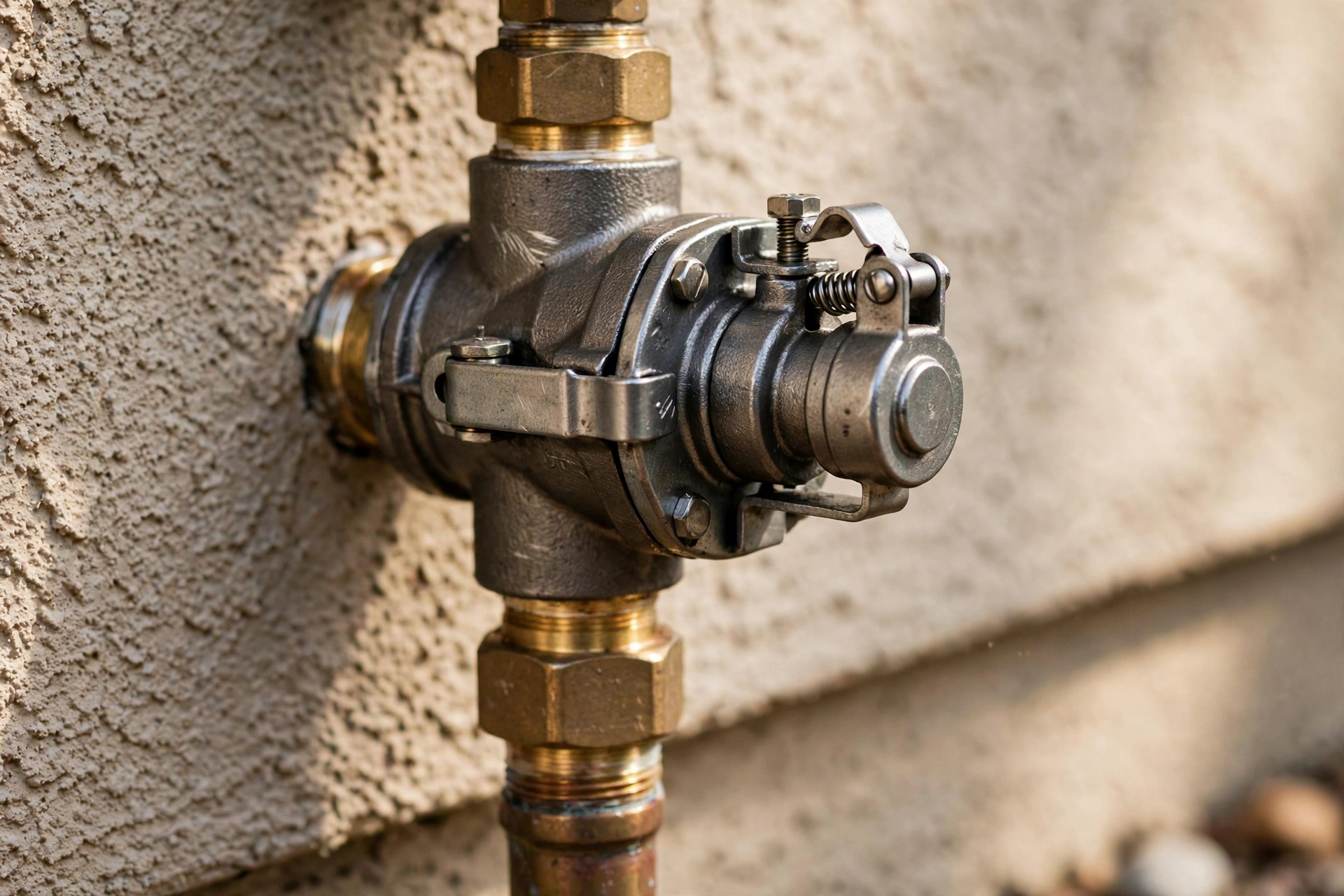
The valve installs on your gas service line, typically right at the meter. Inside is a simple mechanical sensor — usually a weighted ball or pendulum held in place by a magnet. When shaking reaches roughly 5.2–5.4 on the Richter scale (the trip threshold varies slightly by manufacturer and model), the ball dislodges and drops into the valve seat, blocking gas flow. No electricity, no batteries, no signal required — it’s purely mechanical, which is exactly what you want in a device that has to work during a power outage.
There are two common types. Seismic shut-off valves (like the Northridge Valve or Little Firefighter) react to shaking and are the type California code addresses. Excess-flow valves are a different device — they trip when gas flow suddenly spikes, as from a severed line. Excess-flow valves are often already installed by the utility on newer service lines; they don’t replace a seismic valve, and vice versa.
Once tripped, the valve stays shut until it’s manually reset — usually with a wrench or the tool supplied with the unit. That manual reset is a feature, not a bug: it forces someone to check the house for gas leaks before flow resumes.
What California Law Actually Requires
California Health & Safety Code Section 19180 requires seismic gas shut-off valves on new construction and on buildings undergoing significant renovation in seismic zones — which includes essentially all of the San Gabriel Valley. The practical upshot: if your home was built or substantially remodeled under a recent code cycle, it likely has one. If your 1950s Altadena ranch hasn’t had major permitted work, it almost certainly doesn’t, and no law forces you to retrofit one retroactively.
That said, “not legally required” and “not worth doing” are different things. SoCalGas supports seismic valves as a safety device, and many homeowners install them voluntarily — especially after experiencing a quake. It’s one of the cheapest meaningful seismic safety upgrades you can make. SoCalGas’s safety resources are worth a read: socalgas.com/safety.
Installation: What It Involves and Costs
Installation is a licensed-plumber job — gas work is not DIY territory, and in most cities it requires a permit and inspection. The plumber shuts off gas at the meter, cuts into the service line, installs the valve with proper unions and supports, pressure-tests the assembly, and restores service. The whole job typically takes 1–2 hours.
Cost in 2026: $400–$900 installed for a standard residential seismic valve, including the valve ($150–$350 for the unit itself), labor, permit ($100–$300 in most SGV cities), and pressure testing. Complications that push the price up: corroded or nonstandard meter piping that needs rebuilding, valves installed in tight meter boxes, or combining the job with a gas line repair or upgrade. Some plumbers bundle seismic valve installation with other gas work for a lower combined price — worth asking about.
Choosing and Maintaining the Valve
Buy a valve certified to the applicable standard (look for ASCE 25 / UL listing and California State Architect approval — reputable brands carry these). Size it to your service line (most homes are 3/4-inch or 1-inch). After installation, maintenance is minimal: keep the area clear, don’t hang things on the piping, and know where your manual gas shutoff wrench lives. Test-trip mechanisms exist on some models for periodic checks — ask your installer to show you the reset procedure before they leave.
One honest caveat: a seismic valve protects against shaking-triggered fires, not all gas emergencies. You still need to know how to shut off your gas manually, you still need working smoke and CO detectors, and if you ever smell gas, you leave the house and call SoCalGas from outside — valve or no valve.
What to Do Monday Morning: Your Action Steps
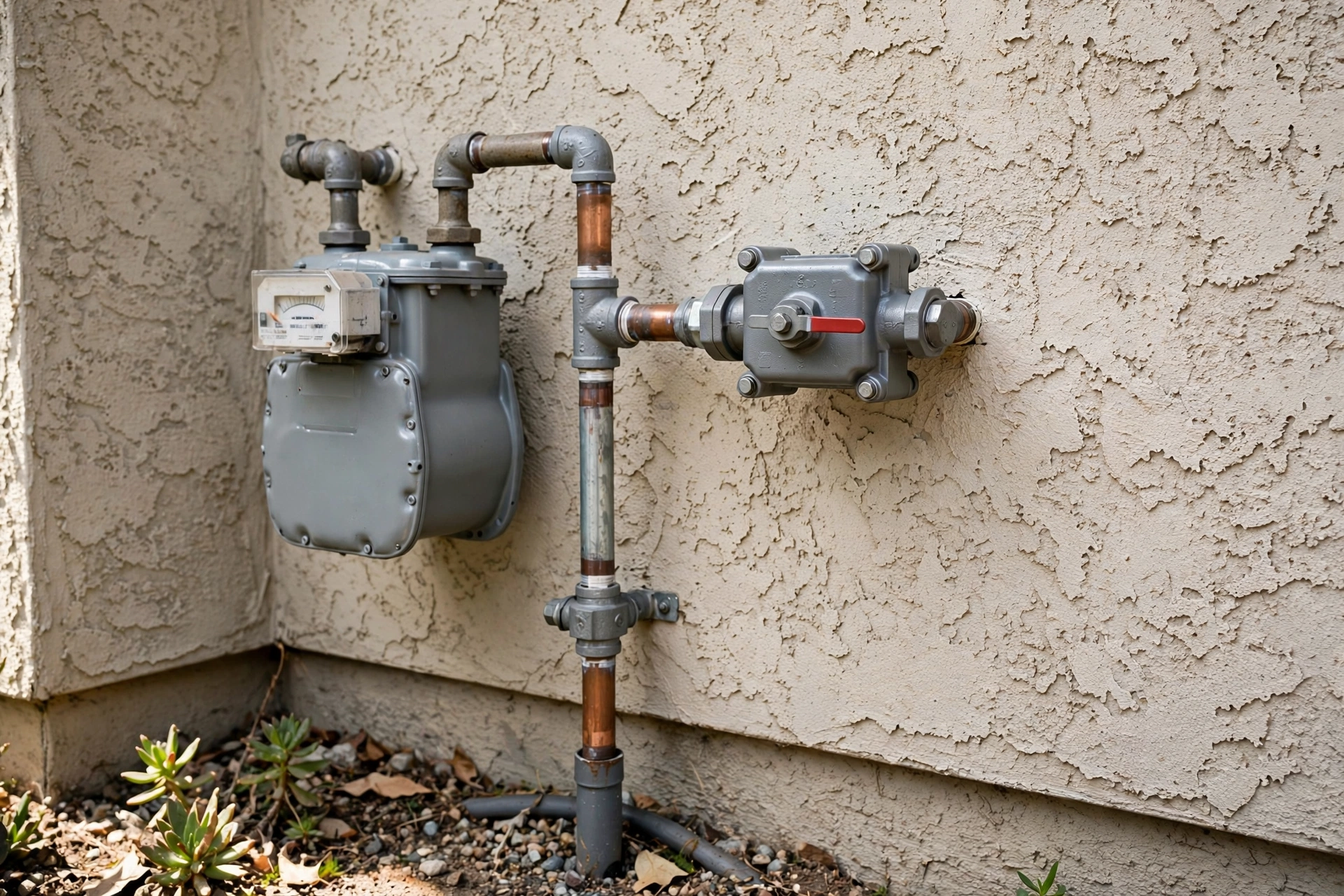
- Check whether you already have one. Look at your gas meter — a seismic valve is a distinct brass-bodied device on the line, often with a visible reset mechanism and a label. If you’re unsure, send a photo to a plumber.
- Find your manual shutoff wrench. Whether or not you install a valve, every adult in the house should know where the gas shutoff is and how to turn it. A $15 shutoff wrench zip-tied at the meter is the cheapest safety device in existence.
- Get one quote. This is a 1–2 hour job — one licensed plumber, one visit. Ask for the installed price including permit and the valve’s certification.
- Walk the gas appliances. While you’re thinking about it: flexible appliance connectors older than 15–20 years, unstrapped water heaters, and corroded meter piping are the other half of earthquake gas safety.
A seismic valve won’t stop an earthquake, but it can stop the fire that follows one. Plumbers in Altadena connects San Gabriel Valley homeowners with licensed C-36 contractors for gas line services including seismic valve installation — serving Pasadena, Altadena, and every foothill city. Questions? Call (888) 555-0199.
Are earthquake gas shut-off valves required by law in California?
California Health & Safety Code Section 19180 requires seismic gas shut-off valves on new construction and significant renovations in seismic zones. There is generally no retroactive requirement forcing existing older homes to add one, but voluntary installation is common and inexpensive.
How much does it cost to install a seismic gas valve?
Typically $400–$900 installed in the San Gabriel Valley, including the valve unit ($150–$350), 1–2 hours of licensed labor, permit, and pressure testing. Corroded meter piping or tight access can push it higher.
Will a seismic valve shut off my gas during a small earthquake?
No. Valves are calibrated to trip at severe shaking — roughly magnitude 5.2–5.4 at the valve’s location. Minor tremors won’t trip a properly installed, certified valve.
What’s the difference between a seismic valve and an excess-flow valve?
A seismic valve trips on shaking; an excess-flow valve trips on a sudden surge in gas flow (like a severed line). They protect against different failure modes. Many newer utility service lines already include excess-flow valves, but that doesn’t replace a seismic valve.
How do I reset the valve after it trips?
Manually, with a wrench or the reset tool supplied with the unit — your installer should demonstrate it. Always check the home for gas leaks and damage before restoring flow; the manual reset exists to force that inspection.
Need a Plumber Right Now?
Don’t wait for a small leak to become a big bill. Our licensed local plumbers answer 24/7 — nights, weekends, and holidays.
(888) 555-0199
Average emergency response under 60 minutes across the San Gabriel Valley